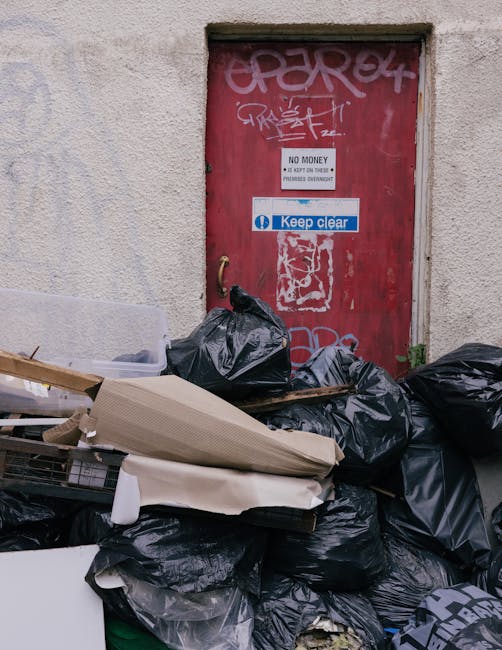
Commercial rubbish clearance Turnpike Lane Haringey shop solutions
Posted on 06/06/2026
If you run a shop near Turnpike Lane, rubbish has a habit of building up quietly. A few broken shelves here, a pile of packaging there, a tired display unit out the back, and suddenly the stockroom feels smaller than your front counter. That is exactly where Commercial rubbish clearance Turnpike Lane Haringey shop solutions come in: a practical, organised way to clear out unwanted trade waste, bulky items, and general shop clutter without disrupting day-to-day trading.
For local retailers, convenience matters, but so does trust. You want a clearance service that understands narrow loading areas, busy high street traffic, shared access routes, and the need to work around customers and staff. In this guide, we will walk through how commercial rubbish clearance works, who needs it, what to expect, and the mistakes that can make a simple job unexpectedly messy. A little planning goes a long way. Honestly, it saves a lot of faff.
We will also touch on linked services that often sit beside shop clearances, from regular rubbish collection in Haringey to furniture disposal for bulky retail items and broader waste clearance support across Haringey. If your business spans more than one space, you may also find office clearance services and builders waste disposal useful when fit-outs or refurbishments are involved.

Why Commercial rubbish clearance Turnpike Lane Haringey shop solutions Matters
Retail units are not like homes. Waste in a shop often carries a different mix of pressures: time-sensitive stock changes, fragile packaging, old point-of-sale furniture, and the constant need to keep the customer-facing area tidy. Even a small amount of clutter can make a shop look understaffed or poorly managed. That first impression matters more than people admit.
Turnpike Lane sits in a busy part of Haringey, so commercial clearances also have a local rhythm. Loading space may be tight, timings may need to avoid the busiest footfall periods, and access can be awkward when deliveries, collections, and day-to-day trading are all happening at once. A sensible rubbish clearance plan helps keep the business moving without creating awkward pile-ups in the back room.
There is also a financial angle. Leftover fixtures, damaged stock, and unused packaging can take up valuable storage space. If a shop is planning a refurbishment, stock reset, or seasonal changeover, clearing waste efficiently can make the whole operation smoother. In that sense, it is not only about tidiness. It is about workflow, safety, and not losing space you are already paying for.
Expert summary: The best commercial shop clearances are not just fast; they are planned around access, business hours, item types, and disposal routes. That is what turns a stressful job into a clean reset.
If you are comparing local waste services, it can help to understand the wider service picture too. The services overview is a useful place to see how different clearance needs fit together, especially if your shop also has stockrooms, storage corners, or back-of-house areas that need attention.
How Commercial rubbish clearance Turnpike Lane Haringey shop solutions Works
At a practical level, the process is straightforward. A clearance team assesses what needs removing, agrees access and timing, and then collects the items directly from the premises. The key is in the detail. A good commercial clearance is not a random lift-and-go. It is usually a structured visit with a clear plan for segregation, loading, and disposal.
For most shop solutions, the workflow looks something like this:
- Initial assessment: You explain the type and volume of waste, whether it is a one-off job or recurring.
- Access check: The team considers parking, entry points, stair access, lift availability, and any restrictions on the street.
- Sorting: Reusable, recyclable, and non-recyclable materials are separated where possible.
- Removal: Items are loaded safely and cleared from the shop, stockroom, yard, or storage space.
- Responsible disposal: Waste is taken for appropriate handling, recycling, or disposal in line with accepted practice.
In real life, the job can be as simple as a few broken display stands or as involved as a complete shop strip-out. A small cafe kiosk might need cardboard, shelving, and a fridge unit removed. A clothing store might need rails, mannequins, hangers, packaging, and old seasonal stock taken away. It varies a lot, and that is normal.
For businesses looking to keep waste moving throughout the month rather than in one big burst, ongoing rubbish collection in Haringey may make more sense than occasional one-off clearances. It depends on how quickly the waste builds up. Some shops barely notice it, others, well, it seems to breed overnight.
Key Benefits and Practical Advantages
Commercial rubbish clearance is not just about removing unwanted stuff. Done well, it gives a shop real operational breathing room.
- Better presentation: A tidy back-of-house area usually means a calmer, more organised shop overall.
- More usable space: Clearing dead stock, broken fixtures, or packaging can free up storage you can actually use.
- Reduced trip and fire risks: Piles of cartons, loose fittings, and damaged furniture can create avoidable hazards.
- Smoother refurbishments: If you are rebranding or changing layout, clearance keeps the project moving.
- Less staff disruption: A proper removal prevents employees from having to move heavy waste themselves.
- Cleaner customer experience: Visitors notice when the shop feels orderly, even if they never see the stockroom.
There is also a subtle morale benefit. Staff tend to work better in a space that feels in control. Nobody loves stepping around a half-dismantled fixture all week. It chips away at momentum. You notice it in the small things: more room behind the till, less clutter by the back door, easier access to stock. Tiny wins, but real ones.
Where bulky furniture or display systems are involved, it may be useful to pair shop clearance with furniture disposal services. That is particularly relevant when counters, armchairs, shelving, or old waiting-area furniture are no longer fit for use.
Who This Is For and When It Makes Sense
This type of clearance is relevant to a wide range of businesses, not only big retailers. In fact, smaller shops often feel the benefit most because they have less spare room to begin with.
It tends to suit:
- independent retailers on or near Turnpike Lane
- convenience shops and mini-markets
- salons, barbers, and beauty rooms with retail stock
- cafes, takeaway units, and small hospitality premises
- charity shops clearing donated or unsellable items
- market stalls or mixed-use premises with shared storage
- shops preparing for a refit, handover, or closure
It makes sense when waste is more than a bin bag or two. If you have awkward items, heavy items, or a clearance that needs to happen quickly and cleanly, that is usually the sign. It also makes sense when staff time is expensive. Paying people to drag furniture around is rarely the best use of a trading day.
Sometimes the need is seasonal. January stock resets, post-summer refits, or the aftermath of a delivery backlog can all create a sudden mess. Other times, the trigger is a practical one: a landlord inspection, lease change, or an urgent need to reopen a floor space. If the shop feels cramped, that is often the clue that clearance is overdue.
Step-by-Step Guidance
If you want the process to run smoothly, it helps to approach it methodically. Nothing fancy, just clear steps and a bit of common sense.
1. Identify everything that needs to go
Walk the premises slowly. Look at the front of shop, storage corners, under counters, staff areas, and any outdoor or shared space. Note what is waste, what could be reused internally, and what must stay. This is where a quick scribble on paper beats trying to remember it all later.
2. Separate waste by type
Cardboard, packaging, old fixtures, broken electronics, and general rubbish often need different handling. Separating items in advance saves time on collection day. It also makes it easier to spot anything sensitive, such as paperwork or branding materials that should be destroyed or handled carefully.
3. Check access and timing
Think about when the road is busiest, where the team can park, and whether there are steps, narrow corridors, or shared entrances. For many Turnpike Lane premises, early mornings or quieter mid-afternoon windows work best. If the clearance is likely to interrupt trading, plan it around your slowest period.
4. Flag special items early
Refrigeration units, old signage, electrical items, broken glass, and heavy shelving can all change the approach. Mention them early. A decent clearance team will want to know before arriving, not after they have sized up the stairwell and muttered under their breath.
5. Confirm what happens after collection
Ask how the waste will be handled, especially if you care about recycling or disposal standards. Responsible handling is not a nice extra; it is part of doing the job properly. If sustainability matters to your business image, you may want to look at recycling and sustainability practices as part of the decision.
6. Keep the paperwork tidy
For commercial jobs, records matter. Keep the quote, the job notes, and any confirmation of what was collected. It is not glamorous, no. But it can be useful later if you need to show what was removed or how the job was priced.
Expert Tips for Better Results
Here are a few things that regularly make shop clearances easier, faster, and less stressful.
- Book before the space becomes unmanageable: If you wait until the stockroom is completely blocked, the job usually takes longer and feels heavier.
- Be precise about item types: "General waste" is helpful, but "general waste plus three display units and two metal racks" is better.
- Clear a path before the team arrives: Even moving a few boxes out of the way can save time and reduce lifting risks.
- Ask about mixed loads: Shops often have a blend of cardboard, plastics, wood, textiles, and metal. Mixed loads need more careful handling.
- Schedule around deliveries: If you already have supply drop-offs planned, do not let a clearance clash with them.
A practical little habit: photograph the area before the job. It helps you keep track of what was there, and it can be useful if multiple staff members are involved in sign-off. Simple, but effective.
Another tip. Don't underestimate the "invisible clutter" behind the scenes. Empty cartons, broken hangers, old promotional stands, and redundant stock bins can take up more room than they look like they should. The back room can lie to you a bit.

Common Mistakes to Avoid
Most clearance problems are not dramatic. They are usually the result of small oversights that stack up.
- Leaving the sort-out too late: If everything is mixed together, the clearance becomes slower and less efficient.
- Forgetting access issues: Narrow streets, loading restrictions, and blocked entrances can create avoidable delays.
- Underestimating volume: Shop waste often looks smaller in photos than it does in person.
- Not identifying specialist items: Electrical units, glass, or heavy fixtures may require a different approach.
- Assuming all disposal is the same: It really is not. Different materials need different handling and care.
- Turning the stockroom into a waiting area for waste: That one lingers. Before you know it, half the premises is a temporary graveyard for old fittings.
One more thing: do not treat clearance as a one-off fix if the business generates waste steadily. If rubbish builds up every week, a planned collection arrangement can be a better fit than sporadic clear-outs.
Tools, Resources and Recommendations
You do not need a truck full of specialist gear to prepare for a commercial shop clearance, but a few basics help a great deal.
- Label tape or markers: Useful for marking items that are definitely to be removed.
- Box cutters and tape: Handy for flattening packaging before collection.
- Protective gloves: Important if you are moving sharp, dusty, or awkward items before the team arrives.
- Camera phone: Good for photos of waste areas, access points, and before/after records.
- Basic inventory list: Helps distinguish waste from reusable stock or assets.
In terms of practical service choices, some businesses benefit from a broader waste solution rather than a single clearance. If your premises includes a back office, upper storage, or an attic-style stock area, you may also find loft clearance support relevant, especially in mixed-use properties.
If your shop happens to operate alongside a small office function, a commercial office clearance can sometimes be combined with retail rubbish removal in one visit. That keeps disruption down. Less coming and going, fewer interruptions, simpler all round.
For readers who want a better sense of the provider behind these services, the about page is a sensible starting point. And if you are comparing payment or booking confidence, the site's payment and security information and pricing and quote guidance are worth checking before you commit.
Law, Compliance, Standards, or Best Practice
Commercial waste handling in the UK should always be approached carefully. You do not need to become a legal specialist to arrange a shop clearance, but you should expect responsible handling, clear pricing, and proper disposal processes. Businesses remain responsible for waste generated on their premises until it has been transferred appropriately, so it is sensible to ask how the clearance will be carried out.
Best practice usually includes:
- clear identification of commercial waste types
- safe lifting and loading methods
- separation of recyclable materials where practical
- appropriate handling of electrical and bulky items
- transparent communication about what is included in the job
- respect for building access, neighbours, and local trade activity
If your shop deals with sensitive waste, such as old paperwork or branded materials, ask how it will be handled before collection. Not every job needs the same level of care, but it is better to be clear in advance than to assume. The same goes for safety. If a clearance involves glass, heavy display units, or tight access, there should be a sensible plan to reduce risk.
For businesses with ethical supply chain expectations, the company's modern slavery statement can also be part of due diligence. It may seem like a small detail, but for some businesses it matters that their service partners operate with the right standards in mind.
And because these jobs can touch building access, staff safety, and property management, it is worth reviewing insurance and safety information before arranging a clearance. That is the boring bit, perhaps, but boring bits stop unpleasant surprises.
Options, Methods, or Comparison Table
Not every business needs the same waste solution. The right choice depends on volume, frequency, and how much disruption you can tolerate.
| Method | Best for | Advantages | Potential drawbacks |
|---|---|---|---|
| One-off commercial rubbish clearance | Refits, clear-outs, stockroom resets, closures | Fast, convenient, removes a lot in one visit | Can be less suitable for ongoing waste build-up |
| Regular rubbish collection | Shops producing steady daily or weekly waste | Prevents overflow, keeps premises tidy | Requires ongoing scheduling and planning |
| Bulk furniture disposal | Old counters, chairs, shelving, display units | Useful for heavy or awkward items | May need extra access planning |
| Mixed commercial waste clearance | Retail spaces with varied waste streams | Flexible, practical, good for busy shops | Needs clearer sorting and item descriptions |
To be fair, most shops end up needing a mixture of these over time. A one-off clearance gets the job started, then regular collection keeps the space sensible. That is often the sweet spot.
Case Study or Real-World Example
Picture a small Turnpike Lane boutique at the end of a seasonal changeover. The shop has old display units, damaged packaging, outgrown shelving, and several boxes of stock that are no longer saleable. The front of house still looks decent, but the stockroom is doing that classic shop thing where it quietly becomes chaos behind the curtain.
The owner does not want a drawn-out project. Trading must continue, staff are busy, and there is no spare hour to waste. So the first move is a room-by-room list: cardboard, a broken rail system, redundant mannequins, a few general waste bags, and some bulky furniture. Access is checked, the removal is booked for a quieter window, and the team clears the space in one organised visit.
The result is not just an empty room. It is easier stock movement, faster restocking, less staff frustration, and a far more workable layout. The owner can finally see the floor again. That matters more than people think.
In cases like this, a shop may also look at whether related premises need attention too. If there is a small storage loft above the unit or a back office, services such as house and property clearance support may not be the first thing that comes to mind, but they can be useful in mixed-use or landlord-managed spaces. Likewise, if the area around the shop includes overgrown rear access or outdoor waste build-up, garden waste removal can be relevant for courtyards or shared rear yards.
For businesses weighing broader local context, the area itself is often discussed in articles like this look at Haringey as a local base and this practical waste removal guide, both of which help frame how local access and property layouts can affect waste handling. Different neighbourhoods, different quirks. That is London for you.
Practical Checklist
Use this checklist before booking a commercial shop clearance:
- Identify every item to be removed
- Separate waste, reusable stock, and items to keep
- Measure bulky furniture or fixtures if access is tight
- Check whether parking or loading needs to be arranged
- Flag glass, electrical, heavy, or awkward items early
- Choose a time that avoids peak customer traffic where possible
- Confirm how mixed waste will be handled
- Keep photos and notes for your records
- Review pricing, payment, and safety details in advance
- Make sure staff know what is being cleared and what must stay
Useful quick rule: if an item is heavy, awkward, sharp, or likely to block trading space, assume it needs proper planning rather than a last-minute lift.
Get a free quote today and see how much you can save.
Conclusion
Commercial rubbish clearance for Turnpike Lane shops is about far more than removing unwanted junk. It is a practical business support service that helps retail premises stay safe, presentable, and ready for trade. Whether you are dealing with old shelving, packaging build-up, dead stock, or a full shop reset, the right approach saves time and reduces stress.
The best results usually come from clear planning, honest item descriptions, sensible scheduling, and a provider that understands commercial premises, not just domestic clutter. That combination keeps the process smooth and the business moving. And, frankly, it is one less thing for your staff to worry about on a busy London day.
If your shop is already feeling cramped, this may be the moment to sort it properly rather than keep working around the mess. A cleaner space tends to clear the mind a bit too. Sounds small. It isn't.